Whiplash and other soft tissue injuries are among the most common results of a truck accident, yet they’re also among the most frequently dismissed — both by insurance companies and, sometimes, by the injured person themselves. Because these injuries don’t always show up clearly on standard imaging and don’t come with the dramatic visibility of a broken bone, they’re often underestimated in ways that can genuinely affect both recovery and fair compensation.
What Whiplash and Soft Tissue Injuries Actually Are
Whiplash occurs when the head is suddenly and forcefully thrown forward and then backward (or side to side), a motion that can strain or tear the muscles, tendons, and ligaments in the neck. This kind of rapid, forceful movement is extremely common in truck accidents, even at moderate speeds, given the size and force differential involved.
Soft tissue injuries more broadly refer to damage to muscles, tendons, and ligaments, as opposed to bones or organs. These can occur throughout the body — the back, shoulders, and knees are common sites — wherever the body absorbs sudden, unnatural force during a collision.
Why These Injuries Are Easy to Dismiss
Symptoms often don’t appear immediately. It’s common for someone to feel relatively fine directly after a truck accident, only to wake up the following day with significant neck or back pain and stiffness, as inflammation develops over the first 24 to 72 hours.
Standard imaging like X-rays doesn’t always show soft tissue damage. X-rays are designed to detect bone injuries, not damage to muscles and ligaments, which means a normal X-ray result doesn’t rule out a real, painful soft tissue injury — though this fact is sometimes used by insurers to question the legitimacy of a claim.
There’s no visible injury in many cases. Unlike a cast or visible wound, whiplash and soft tissue injuries are largely invisible to others, which can lead to a lack of understanding from employers, family members, or insurance adjusters about the real impact these injuries have on daily functioning.
The Real Impact of These “Minor” Injuries
Chronic pain is a genuine and common outcome. While many soft tissue injuries resolve within weeks to a few months with proper treatment, a meaningful percentage develop into chronic pain conditions that persist for months or years, particularly if the injury isn’t properly treated early on.
Reduced range of motion can affect basic daily activities — turning your head to check a blind spot while driving, reaching overhead, or even sleeping comfortably can become genuinely difficult.
Headaches, often stemming from neck injuries, are extremely common and can range from mild and occasional to severe and frequent enough to interfere significantly with work and daily life.
Radiating pain, numbness, or tingling can occur when a soft tissue injury affects nearby nerves, sometimes extending down an arm or leg depending on the location of the injury.
Sleep disruption is common with these injuries, since finding a comfortable sleeping position becomes difficult, and poor sleep in turn tends to worsen pain perception and slow recovery.
Proper Diagnosis and Treatment
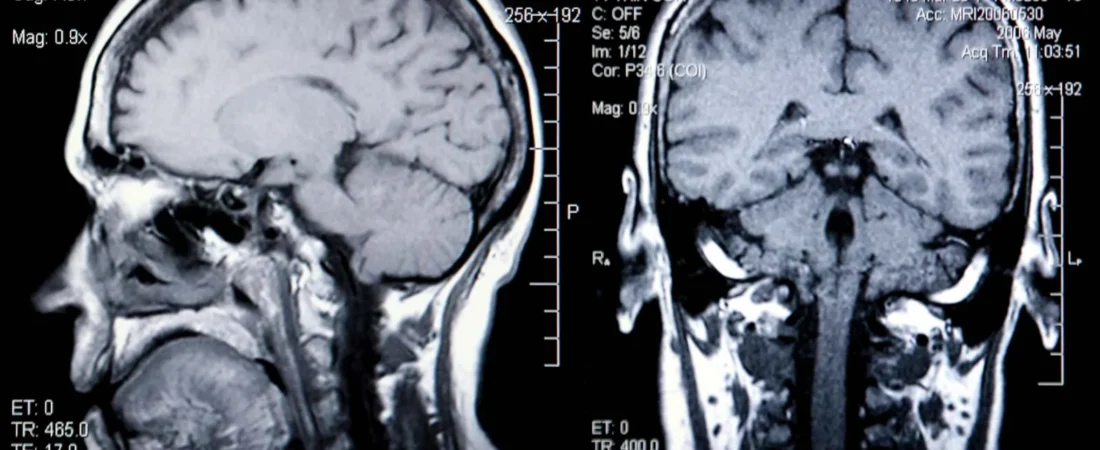
MRI imaging can reveal soft tissue damage that X-rays miss, and may be recommended if symptoms are significant or don’t improve within an expected timeframe with conservative treatment.
Physical therapy is often central to recovery, focused on restoring range of motion, strengthening supporting muscles, and reducing pain through targeted exercises and techniques.
Chiropractic care, massage therapy, and other conservative treatments are sometimes incorporated as part of a broader treatment plan, depending on the specific injury and what a treating physician recommends.
In more persistent cases, additional interventions — such as injections or, less commonly, surgery — may become necessary if conservative treatment doesn’t resolve the underlying issue.
Why Documentation Matters So Much for These Injuries
Because these injuries lack the objective, visible evidence of a broken bone, thorough documentation becomes especially important. This means seeking medical attention promptly rather than waiting to see if symptoms resolve on their own, following through consistently with recommended treatment, and being clear and honest with medical providers about your symptoms — including how they affect specific daily activities, not just a general pain level.
A consistent treatment record helps counter the assumption that “soft tissue” means “not serious.” Insurance companies sometimes use the absence of visible injury or the term “soft tissue” itself to suggest a claim is exaggerated or minor, despite the real and sometimes long-lasting impact these injuries can have.
Don’t Dismiss These Injuries Yourself
It’s easy to downplay whiplash or soft tissue pain, especially compared to more visibly dramatic injuries like fractures. But these injuries are a legitimate and common source of real, sometimes lasting impairment after a truck accident, and they deserve the same careful attention — both medically and in terms of any resulting claim — as more visibly severe injuries. If you’re experiencing ongoing neck or back pain after a truck accident, it’s worth taking that seriously rather than assuming it will simply resolve on its own.