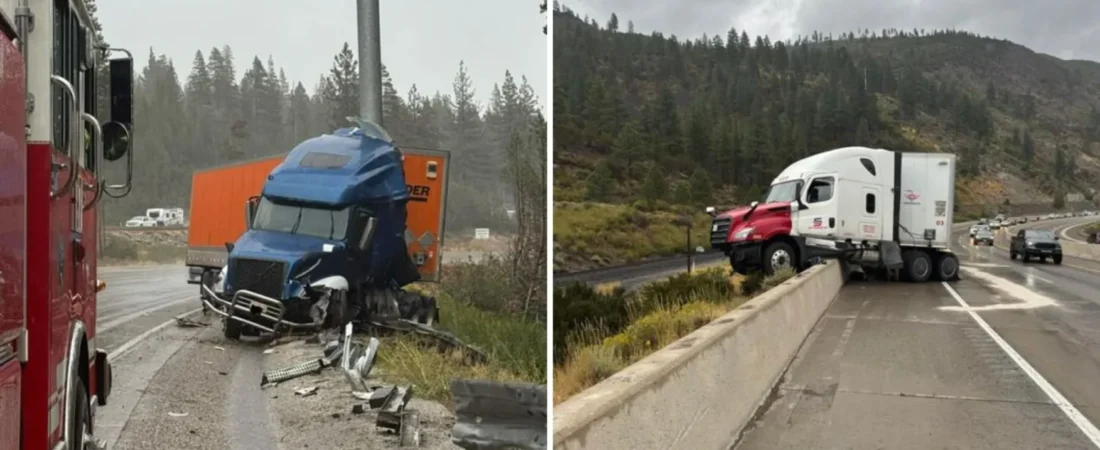
Every truck accident claim is subject to a legal filing deadline known as the statute of limitations, and missing it can permanently bar you from recovering compensation — no matter how strong your case might otherwise be. Understanding how these deadlines work, and how they can vary depending on your specific situation, is one of the more important — and often overlooked — parts of protecting your claim.
Why Deadlines Exist and Why They Vary
Statutes of limitations exist to encourage timely resolution of legal disputes while evidence and memories are still fresh, and to give defendants some certainty that they won’t face claims indefinitely. But because personal injury law is governed primarily at the state level, the exact deadline that applies to your case depends heavily on where the accident occurred.
Most states set a personal injury statute of limitations somewhere between two and four years from the date of the accident, though the precise number varies meaningfully from state to state. Some states allow as little as one year in certain circumstances, which makes it especially important not to assume you have more time than you actually do.
When the Clock Actually Starts
In most cases, the deadline runs from the date of the accident itself. This is the standard starting point for the vast majority of truck accident injury claims.
In some cases, the “discovery rule” applies instead. If an injury isn’t immediately apparent — for example, a soft tissue or neurological injury that doesn’t produce noticeable symptoms right away — some states allow the clock to start from the date the injury was discovered or reasonably should have been discovered, rather than the date of the crash.
Claims against government entities often follow a very different, much shorter timeline. If a government-owned vehicle was involved, or if unsafe road conditions maintained by a city, county, or state contributed to the accident, special notice requirements often apply — sometimes requiring formal notice within a matter of months, far shorter than the standard personal injury deadline.
Special Circumstances That Change the Timeline
Wrongful death claims run on their own separate clock. If a loved one died as a result of a truck accident, the wrongful death statute of limitations typically starts from the date of death, not the date of the underlying accident, and the deadline itself may differ from the standard personal injury timeline in your state.
Minors often receive extended deadlines. Many states pause, or “toll,” the statute of limitations for injury claims involving a minor until that person turns 18, after which the standard clock begins running. This means a parent or guardian isn’t necessarily required to file on the child’s behalf before that point, though there can be advantages to not waiting.
Claims involving out-of-state defendants can add complexity. Trucking companies frequently operate across state lines, and determining which state’s statute of limitations applies can itself become a legal question in some cases.
Common Misunderstandings Worth Clearing Up
Filing an insurance claim is not the same as filing a lawsuit. Reporting your accident to an insurance company, or even being in active settlement negotiations, does not pause or satisfy the statute of limitations. The deadline refers specifically to the window in which you must file a lawsuit in court, and negotiations that drag on can sometimes eat into that window without you realizing it.
“I was still in the middle of treatment” doesn’t extend the deadline. Ongoing medical treatment can affect when it makes sense to settle a claim, but it generally doesn’t pause the statute of limitations itself.
Why Evidence Degrades Even Within the Legal Window
Even setting the legal deadline aside, waiting too long to pursue a claim — even well within the statute of limitations — can quietly undermine your case. Witness memories fade with time. Electronic logging device data and other digital evidence from the truck aren’t always required to be preserved indefinitely, and can be lost or overwritten if not formally requested early. Damaged vehicles may be repaired or sold, eliminating the opportunity for an independent inspection.
Given how much these deadlines and rules can vary — and how much evidence can deteriorate even before a deadline arrives — it’s generally in your best interest to consult a truck accident attorney as soon as possible after the crash, rather than waiting until a deadline feels imminent. Many offer a free initial consultation specifically so you can understand where you stand without any upfront cost or commitment.