Fractures are among the most common injuries in truck accidents, given the significant forces involved in these collisions. While a broken bone might seem like a relatively straightforward injury compared to something like a spinal cord or brain injury, the reality is that fractures from truck accidents are often complex, can require extensive treatment, and can leave lasting effects well beyond the initial healing period.
Types of Fractures Seen in Truck Accidents
Simple fractures, where the bone breaks cleanly without significantly displacing, are the most straightforward to treat and typically heal with a cast or brace over a period of weeks.
Compound fractures, where the broken bone pierces through the skin, are considerably more serious, carrying a significant risk of infection and typically requiring surgical treatment and a longer, more complicated recovery.
Comminuted fractures, where the bone breaks into three or more pieces, are common in high-force collisions and often require surgical fixation with plates, screws, or rods to properly realign and stabilize the bone.
Crush injuries, where a limb is compressed or trapped during the accident, can result in severe, complex fractures combined with significant soft tissue and sometimes nerve or blood vessel damage, occasionally necessitating amputation in the most severe cases.
Stress and hairline fractures can also occur, sometimes overlooked initially because they don’t always show up clearly on first imaging, but can still cause significant pain and require treatment.
Common Locations for Truck Accident Fractures
Rib fractures are extremely common given the chest’s exposure to impact from seatbelts, airbags, and the collision itself, and can range from a single, manageable fracture to multiple fractures that risk puncturing a lung.
Pelvic fractures are among the more serious fracture types, often resulting from high-force, direct impact and sometimes associated with significant internal bleeding, given the pelvis’s proximity to major blood vessels.
Leg and arm fractures, including the femur, tibia, fibula, humerus, radius, and ulna, are common throughout truck accidents and vary enormously in severity depending on the specific mechanism of injury.
Facial fractures, including the jaw, cheekbones, and orbital bones around the eyes, can occur from direct impact and sometimes require reconstructive surgery, occasionally leaving lasting cosmetic or functional effects.
Spinal fractures, distinct from spinal cord injuries themselves, involve breaks in the vertebrae and can range from stable fractures treated with bracing to unstable fractures requiring surgical stabilization to protect the spinal cord.
Treatment Approaches
Non-surgical treatment, typically involving casting, splinting, or bracing, is used for stable, properly aligned fractures that don’t require realignment, generally involving a period of weeks to months for healing depending on the bone involved.
Surgical treatment becomes necessary for more complex fractures, involving procedures to realign bone fragments and stabilize them with hardware such as plates, screws, rods, or external fixators. Recovery from surgical fracture repair is typically longer and often involves a more extended rehabilitation process.
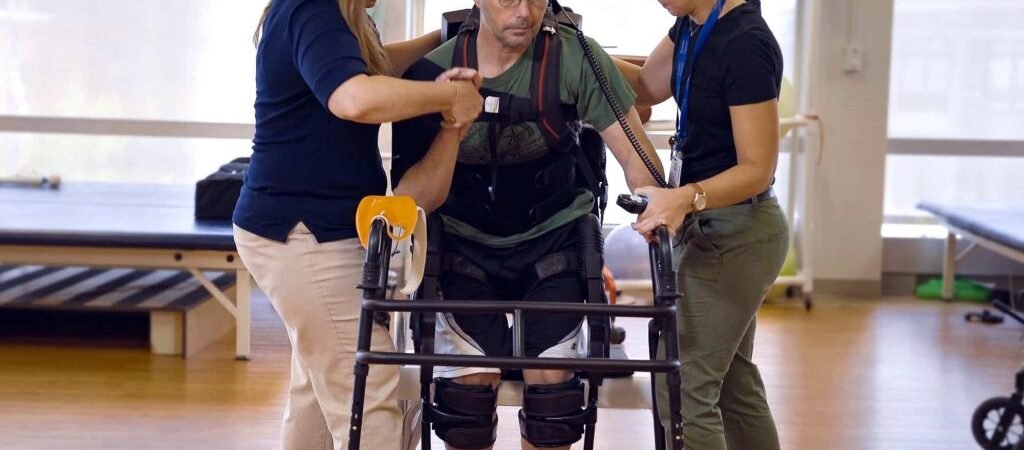
Physical therapy plays a significant role in fracture recovery, particularly for fractures involving or near joints, helping to restore range of motion, strength, and function that can otherwise be lost during the immobilization period.
Why Fractures Can Have Lasting Effects
Not all fractures heal completely, or heal without lasting consequences. Fractures involving joints can lead to post-traumatic arthritis, reduced range of motion, or chronic pain even after the bone itself has healed. Some fractures result in a permanent leg-length discrepancy, altered gait, or reduced grip strength, depending on the specific injury.
Hardware used in surgical repair sometimes requires later removal, and in some cases, additional surgeries become necessary if complications like nonunion (where the bone fails to heal properly) or infection develop.
Nerve and blood vessel damage can accompany a fracture, particularly in crush injuries or fractures near major nerves, sometimes resulting in lasting numbness, weakness, or circulation problems even after the bone has healed.
Psychological effects shouldn’t be overlooked either. A serious fracture that limits mobility for an extended period can affect mental health, independence, and quality of life well beyond the physical healing timeline.
Documenting a Fracture for a Claim
Imaging provides clear, objective evidence of the injury, which makes fractures somewhat more straightforward to document than soft tissue injuries — but the full scope of a fracture’s impact often extends beyond what’s visible on an X-ray or CT scan.
Following through with the full recommended course of treatment matters, including physical therapy and any recommended follow-up imaging to confirm proper healing, both for your recovery and for accurately documenting the injury’s true impact.
Consider the long-term implications, not just the initial healing timeline. If a fracture affects your ability to return to physically demanding work, involves a joint that may develop future arthritis, or leaves any lasting functional limitation, these long-term effects are an important part of accurately valuing the injury — something worth discussing directly with both your treating physician and an attorney as your recovery progresses.