The sheer size difference between a commercial truck and a passenger vehicle means that truck accident injuries tend to be more severe, more varied, and more likely to result in lasting effects than injuries from a typical car accident. Understanding the range of injuries commonly seen in truck accidents can help you recognize the seriousness of your own situation and make informed decisions about treatment and, eventually, any related claim.
Why Truck Accident Injuries Tend to Be More Severe
A fully loaded commercial truck can weigh twenty to thirty times more than an average passenger car, and the force involved in a collision scales dramatically with that weight difference. Even at moderate speeds, this disparity means occupants of smaller vehicles absorb far greater impact forces than they would in a collision between two similarly sized cars. This is a large part of why truck accident injuries so often involve multiple body systems at once, rather than a single, isolated injury.
Head and Brain Injuries
Traumatic brain injuries (TBIs) range from mild concussions to severe, life-altering damage. Even a seemingly mild TBI can cause lingering headaches, memory problems, difficulty concentrating, and mood changes that affect work and relationships for months or longer. Severe TBIs can result in permanent cognitive impairment, personality changes, or the need for lifelong care.
Skull fractures and facial injuries are also common in high-impact collisions, sometimes requiring reconstructive surgery and leaving lasting scarring or structural changes.
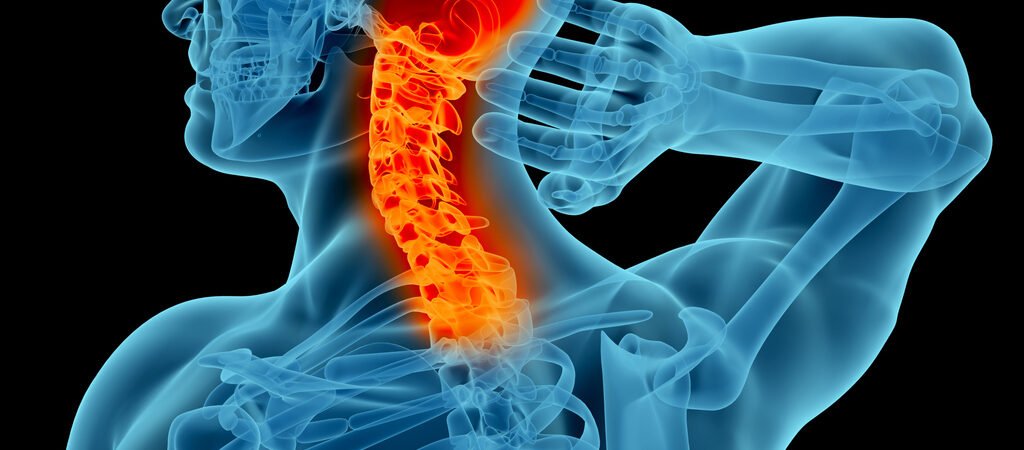
Spinal and Neck Injuries
Spinal cord injuries can range from temporary nerve compression to complete paralysis, depending on the location and severity of the damage. A high-level spinal injury can affect not just mobility but also breathing and other basic bodily functions, requiring extensive, ongoing medical support.
Whiplash and soft tissue neck injuries are far more common than catastrophic spinal injuries, but shouldn’t be underestimated. They can cause chronic pain, reduced range of motion, and headaches that persist for months, particularly if not properly treated early on.
Herniated discs frequently result from the sudden force of a collision, sometimes requiring surgery and often causing radiating pain, numbness, or weakness in the arms or legs depending on which part of the spine is affected.
Chest and Internal Injuries
Internal bleeding and organ damage are among the most dangerous truck accident injuries precisely because they’re not always immediately obvious. Blunt force trauma from a collision can damage the liver, spleen, kidneys, or lungs without producing symptoms right away, which is a major reason prompt medical evaluation after any truck accident is so important, even if you feel relatively fine initially.
Rib fractures and chest trauma can range from painful but manageable to genuinely life-threatening, particularly if a fractured rib punctures a lung or damages surrounding blood vessels.
Fractures and Orthopedic Injuries
Broken bones are extremely common in truck accidents, ranging from relatively straightforward fractures to complex, multi-fragment breaks requiring surgical repair with plates, screws, or rods. Some fractures, particularly those involving joints, can lead to long-term arthritis or reduced function even after healing.
Crush injuries can occur when a limb is trapped or compressed during the collision, sometimes requiring amputation in severe cases and often involving extensive nerve and tissue damage even when the limb is saved.
Psychological and Emotional Injuries
Post-traumatic stress disorder (PTSD) is a well-documented consequence of serious vehicle accidents, particularly truck accidents given their often catastrophic nature. Symptoms can include flashbacks, anxiety while driving or riding in vehicles, sleep disturbances, and avoidance behaviors that affect daily functioning.
Depression and anxiety frequently accompany the physical recovery process, driven both by the trauma of the event itself and by the disruption to work, relationships, and daily life that a serious injury often causes.
Why Long-Term Impact Matters for Your Recovery and Claim
Some injuries have effects that unfold over months or years, not just the initial recovery period. A back injury that seems manageable at first might develop into chronic pain requiring ongoing management. A mild TBI might not reveal the full extent of its cognitive impact until you return to work and struggle with tasks that used to be routine.
This is part of why rushing to settle a claim before treatment is complete is risky. Truck accident injuries frequently require ongoing monitoring to understand their true long-term trajectory, and settling before that picture is clear can mean permanently forfeiting compensation for costs and impacts that hadn’t yet become apparent.
Getting the Right Documentation From the Start
Thorough, consistent medical treatment following a truck accident does more than support your physical recovery — it also creates the documented record that ties your injuries directly to the accident, which becomes essential if you pursue compensation. Following through on referrals to specialists, attending follow-up appointments, and being honest with your medical providers about ongoing symptoms all contribute to both a stronger recovery and a more accurate account of what you’re actually dealing with.
If you’re recovering from a truck accident and unsure whether your symptoms warrant further evaluation, it’s generally worth erring on the side of getting checked out — injuries that seem minor at first don’t always stay that way, and early documentation matters both medically and legally.